LeadGenDone
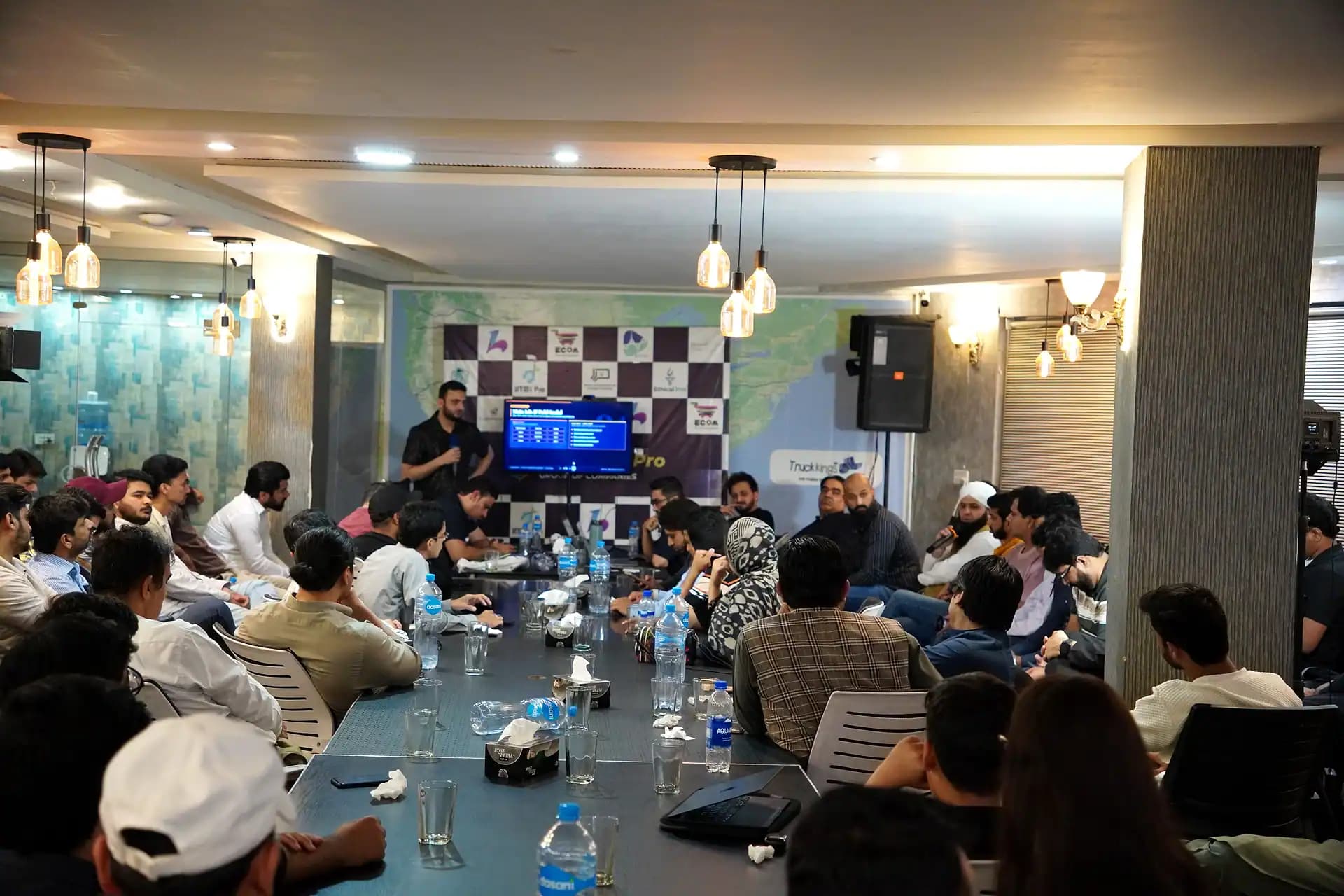
Agency owners around the long table at the Software Pro office in Lahore during a LeadGenDone session

The mastermind, third quarter

Mastermind Quarter 3: Systems And Delivery

Mastermind Quarter 3: Systems And Delivery helps your team run the work as sales grow. If every vendor check, contract, financial report and client problem still needs you, delivery depends too much on the owner. This quarter helps you document the work, assign responsibility and manage it through reports and systems.

  • The third quarter
  • Systems, finance, team and sales
  • Capped at twenty agencies

Quarter three of four

Quarter
Three of four
Covers
Contracts, finances, people and the sales team
Ends with
A departmental expense dashboard
Systems and delivery, the third quarter of the year
Q3Systems and delivery, the third quarter of the year
A live session every week, 3:30 to 5:00 PM Pakistan time
FridayA live session every week, 3:30 to 5:00 PM Pakistan time
Agencies at most in the mastermind
20Agencies at most in the mastermind
A month, or $7,999 for the year
$750A month, or $7,999 for the year

How the team runs the work without you

Program Overview

Mastermind Quarter 3: Systems And Delivery covers the systems your team needs to manage a growing agency. It is part of a twelve month programme for digital marketing and software development agencies. After the foundation and sales quarters, the agency has more clients to serve. Delivery can still depend on you checking every vendor, writing each contract and preparing financial figures only when someone needs them.

Owners often become frustrated with the team when nobody knows who can make each decision. Clear responsibilities, training and job levels help address that problem. This quarter works on those systems so the team can take responsibility for the work.

You document vendor quality standards, internal and external contracts, and delivery service level agreements, or SLAs. You set up profit and loss statements, a balance sheet, weekly departmental reports and expense dashboards. Automation sends leads and support tickets to the right people. You also review the sales team’s structure, job levels and employee retention.

The quarter applies Building Effective Systems, the systems section of 7-Figure Agency Mindset A-Z by Hamid Mahmood. It covers clear reporting relationships, documented processes, consistent consequences and responsibility for results. The agency’s reports help you assess how it runs. The final quarter then reviews those systems and results.

What the quarter leaves the agency with
  • The rules, written down

    Vendor QA and compliance, internal and external contracts, and service levels for account management and delivery.

  • Regular financial reports

    A P&L, a balance sheet, weekly departmental reports and expense dashboards help you compare costs and benefits before making decisions.

  • The work, routed without you

    Leads and support tickets handled by automation, and project management rebuilt around time tracking.

  • Clear job levels and training

    You develop systems, skills and cultural training, job levels, and a plan for retaining good employees.

  • Sales managed by the team

    You follow up sales management and structure, with cold calling, spoken English and value added phrases.

The coaching tracks this quarter draws on

Building Effective Systems, the book’s section on systems

What owners say at this stage

Who It Is For

Quarter 3 suits an agency that wins clients but still needs the owner to manage delivery. Open any statement that describes your agency.

  • “I cannot take a week off without something breaking.”

    What it usually is

    The team depends on instructions only you know. This quarter documents vendor standards, contracts, service levels and weekly reports so others can follow them.

  • “Nobody on the team takes ownership.”

    What it usually is

    Usually nobody has been told who decides what. This quarter settles it, with training and job levels.

  • “Our best people keep leaving.”

    What it usually is

    People need a reason to stay that is not loyalty, and replacing them costs more than keeping them. Employee retention is on the roadmap here.

  • “I only know we made money when the bank tells me.”

    What it usually is

    Your financial reports arrive too late to help you make decisions. This quarter develops a P&L, a balance sheet and dashboards you can use.

  • “Clients call me personally when something slips.”

    What it usually is

    There is no service level for the team to answer to. That is account management and delivery SLAs, both in this quarter.

  • “Sales dips whenever I stop selling.”

    What it usually is

    Sales still depend on you. The quarter reviews how the sales team is managed and organised, alongside cold calling.

If you do not yet have a regular flow of leads and sales, review Quarter 2 first. It covers building that sales process. Quarter 2: Sales Engine

Here are the systems this quarter helps you build.

The systems your team will use

What You Get, Step By Step

This quarter covers vendor checks, contracts, reporting, automation, team management and sales systems. Each row compares work that depends on you with the process your team can use instead. The curriculum page lists the whole year.

The coaching tracks this quarter draws on

  1. You check every vendor’s work yourself, every time.

    Vendor management, QA and compliance setup

    Your team checks each vendor’s work against a documented quality standard.

    Systems

  2. You put off writing contracts until a dispute makes them urgent.

    Internal and external contracts

    You put written agreements with clients and the team in place before work starts.

    Systems

  3. You rely on a feeling about whether the month made money.

    P&L review

    You review a profit and loss statement regularly to check the results.

    Finance

  4. Every new lead and every support request routed by hand, usually through you.

    Automating leads and system tickets

    Leads and tickets that reach the right person without passing through you.

    Systems

  5. The sales team performs only while you supervise it.

    Sales management follow up

    The sales team works towards clear targets.

    Sales

  6. Calls that only go well when you make them yourself.

    Cold calling and spoken English

    Callers who can open a conversation in confident spoken English.

    Sales

  7. A sales process that is simply how you happen to sell.

    Sales structure follow up

    A sales structure the team follows whoever is selling.

    Sales

  8. Clients who call you, personally, whenever something slips.

    Account management and delivery SLAs

    Service levels the team answers to, and an account manager clients call first.

    Systems

  9. Nobody is responsible for measuring results or explaining them.

    EOS weekly reports by department, and the calendar review

    Each department produces a weekly report, with a calendar reviewed alongside it.

    Systems

  10. You learn why good employees are leaving only when they resign.

    Employee retention

    You develop a plan that gives good employees reasons to stay.

    Team and HR

  11. You are frustrated with the team because nobody knows who can make each decision.

    Systems, skills and culture training, and job levels

    Job levels explain who makes each decision, with training to prepare people for those responsibilities.

    Team and HR

  12. Financial reports arrive after you needed them to make a decision.

    Profit and loss, and the balance sheet

    You keep a P&L and a balance sheet current enough to guide decisions.

    Finance

  13. You do not know how the team spends its working hours.

    Project management revamp and time tracking

    You manage projects in one system and record the time spent on them.

    Systems

  14. Costs that rise without anybody deciding that they should.

    Expenses and dashboards, optimized

    Expenses on a dashboard, reviewed before they grow.

    Finance

  15. Decisions made on instinct and defended afterwards.

    Cost benefit analysis

    Decisions weighed on cost and benefit before they are made.

    Finance

  16. Sales conversations that depend on your own way with words.

    Value added phrases

    Language the whole team uses to show value in a sales conversation.

    Sales

  17. Departmental spending seen only when the bill arrives.

    System structure follow up, and the departmental expense dashboard

    Spending by department, visible on one dashboard.

    Finance

These topics belong to the third quarter of the fifty two week year. Use the list to see the systems you work on during that quarter.

Your sessions and your agency’s weekly reports

Delivery Format And Time Commitment

The programme continues with Friday sessions, monthly roundtables and one to one coaching booked when you need it. Use Basecamp, the members’ online workspace, for daily discussion. This quarter also develops weekly agency reports to help your team manage work between programme sessions.

  • Every day

    Basecamp, the members’ online workspace

    Discussion, progress and KPI posts, and the coaches answering questions.

  • Every Friday

    A live session

    3:30 to 5:00 PM Pakistan time, on one subject.

  • Third week of the month

    The roundtable

    In the Friday 3:30 to 5:00 PM slot. Two hand picked owners take the hot seat, about forty five minutes each. Other members and trainers help work through their challenges.

  • When you need it

    One to one coaching

    With a subject matter expert, booked when you need it, on your own agency.

  • Every three months

    A retreat

    One night together and three workshops.

  • Each year

    An international trip

    Two to three nights abroad, for exposure to the latest trends in the digital industry.

Every week, once reports are set up

Your agency’s own report

Each department reports every week, alongside a review of the calendar, once you have set up the reports. Agree a format and a person responsible for each report. Your team can keep producing them after the programme ends because the reports are part of how your agency runs.

Between sessions, document the processes your team will use: contracts, SLAs, job levels and report formats. Share each one in Basecamp for discussion. Your agency continues using them after the quarter ends.

One price, two ways to pay

Investment And What Is Included

The yearly mastermind fee includes the third quarter’s work. Both plans are a yearly commitment, with a choice of monthly or yearly payment.

  • Monthly

    $750a month

    A yearly commitment, paid month by month.

  • Yearly

    $7,999for the year

    A yearly commitment, paid once. Saves $1,000.

The mastermind is capped at twenty agencies.

Everything the year covers

What the fee includes

  • One to one coaching with a subject matter expert, booked when you need it
  • Exclusive discounts per month for each referred agency that signs up
  • A yearly commitment, paid monthly or yearly
  • Free access to the yearly masterclasses
  • Unlimited networking
  • Step by step guide for international agency setup, formation and scalability

Not included

  • Ad spend
  • Third party tool subscriptions
  • Legal filing fees for entity formation

What this quarter adds inside the fee

  • Contracts with clients and with the team
  • Vendor QA and delivery service levels
  • A P&L, a balance sheet and expense dashboards
  • Weekly reports from every department
  • Job levels and a retention plan
  • Lead and ticket automation

Meet the trainers

Coaches And Subject Matter Experts

The mastermind is coached by experienced trainers including Hamid Mahmood, Asim Naeem and Umair Amjad. They use these approaches in their own companies. Bring a contract draft, report format or job level to a Friday session or your one to one coaching.

  • Hamid MahmoodCEO, author of 7-Figure Agency Mindset A-Z

    Hamid has used every agency model in his own companies. The advice on branding, finances and leadership comes from running those businesses.

  • Umair AmjadSales and staffing coach

    Umair built the staff augmentation practice taught in the programme. The advice on pricing, closing and staffing comes from running that business.

    Where Umair posts

  • Asim NaeemEmail marketing and LinkedIn

    Asim works on defining your ideal client and reaching them through LinkedIn and email. That experience also covers the automation supporting your outreach.

Alongside the Friday sessions, members book one to one coaching with a subject matter expert whenever they need it, on their own agency.

Read what owners say about improving how their agencies run.

Owners on operations, processes and ethics

Member Results And Reviews

Owners describe finding the problems that slow work, building processes, choosing a team model and running the business ethically. These opening reviews relate to the quarter’s work on operations and contracts. More reviews follow.

01 of 26

The terms, in plain words

Enrollment, Contract And Onboarding

Joining means a yearly commitment, paid monthly or yearly, followed by onboarding. The summary below sets out the price, group size and starting steps before you reach the form.

The mastermind agreement, summarised

  1. 1.

    Term. A yearly commitment, paid monthly or yearly.

  2. 2.

    Price. $750 a month, or $7,999 for the year, which saves $1,000.

  3. 3.

    The group. The mastermind is capped at twenty agencies.

  4. 4.

    Onboarding. Basecamp access, the intake questionnaire, and your KPI baselines set at your first roundtable.

This summarises the agreement. You read the full document before making a payment.

About the third quarter

FAQs

What does Mastermind Quarter 3: Systems And Delivery cover?

It covers the systems your team needs to manage delivery, finances, people and sales. Topics include vendor QA and compliance, contracts, lead and ticket automation, account management, SLAs and EOS weekly departmental reports. You also cover retention, training, job levels, P&L, balance sheets, project management, time tracking, expense dashboards, cost benefit analysis and sales without the owner.

Why does the systems quarter come after the sales quarter?

The delivery systems need to support the work your sales process brings in. Quarter 2 develops sales and reviews cash flow against profitability. Quarter 3 then helps your team manage that client work. Building systems around real demand makes them relevant to the agency you are running.

Is cold calling really part of a systems quarter?

Yes. This quarter works on whether the sales team can sell without the owner on every call. You follow up sales management and structure, then cover cold calling, spoken English and value added phrases. These help the team start and continue sales conversations themselves.

What does the agency keep when the quarter ends?

Your agency keeps the documents and reporting systems it developed. These include client and team contracts, vendor standards, service levels, job levels and weekly departmental report formats. You also keep the P&L, balance sheet and expense dashboards. Assign someone to maintain each report so the team can use it after the programme ends.

Is my agency ready for what the third quarter covers?

Yes, if your agency is winning clients but still needs you to manage delivery. This quarter helps the team manage that existing work through systems. If you do not yet have regular leads and sales, review Quarter 2: Sales Engine first.

The owner steps back

Enroll Now

Use the third quarter to document how your agency works, set up regular reports and clarify who makes each decision. These systems help the team manage delivery as the agency grows.

The mastermind is capped at twenty agencies.